
The Complete HDD Tooling Guide: Every Component Explained by Our Experts
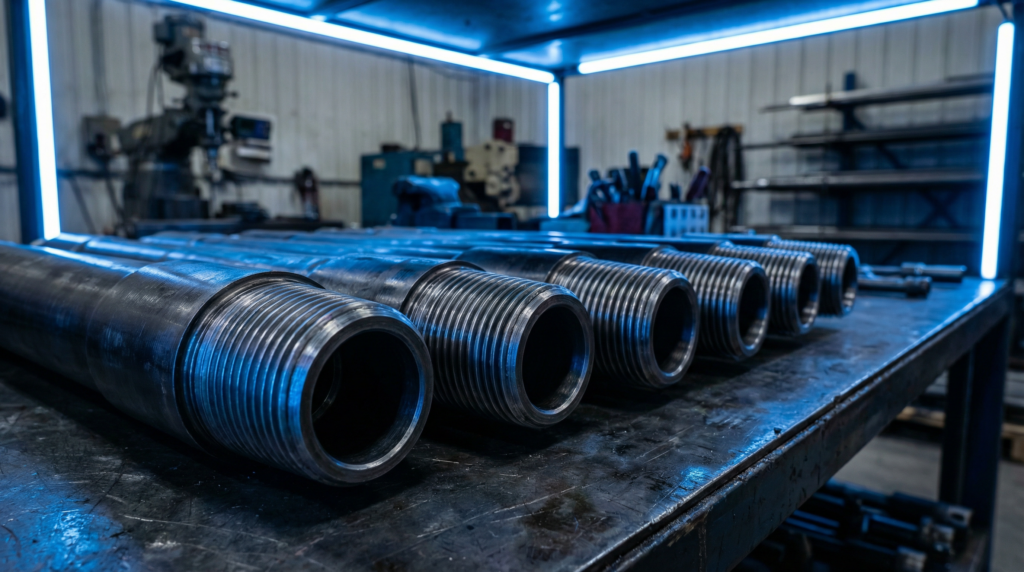
Horizontal Directional Drilling (HDD) is only as reliable as the tooling you run. Whether you’re operating a Vermeer D24x40, a Ditch Witch JT20, or any other mid-size to large HDD rig, understanding every component in your drill string — from the drive chuck to the pilot bit — is what separates a smooth bore from a costly stuck pipe situation. At Elite Underground Tools, we supply and manufacture HDD tooling for Vermeer, Ditch Witch, and other major brands. This guide covers every component with real photos from our inventory, technical specifications from official catalogs, and direct links to shop the parts you need.
1. Drive Chuck — Where the Power Begins
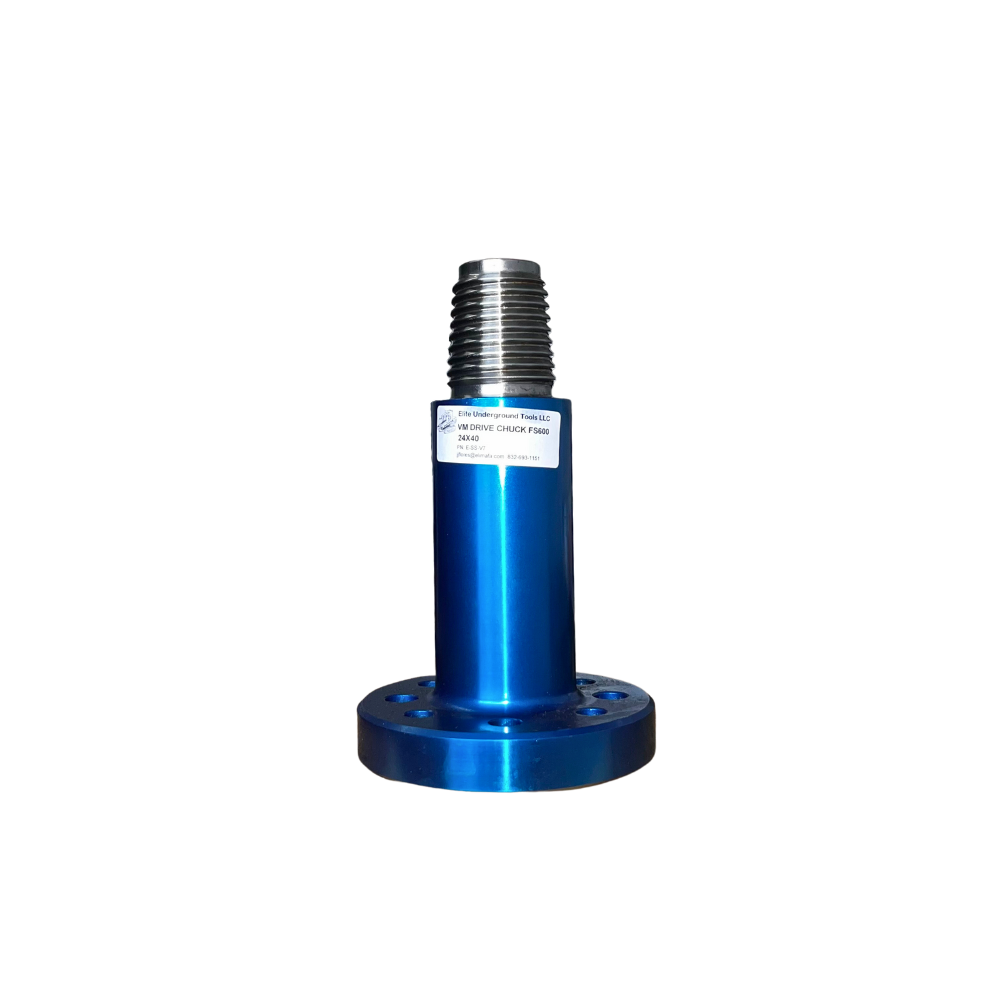
The drive chuck is the first mechanical link between your HDD rig’s rotary head and the drill string. It is machined to match the exact thread specification of your machine and transmits both rotation and thrust to the drill pipe. Choosing the wrong drive chuck — even by one thread size — means zero torque transfer and a broken connection in the bore.
How to identify your drive chuck thread:
| Vermeer Model | Drive Chuck Thread | OD |
|---|---|---|
| D6x6, D7x11, D8x12 | FST #200 | 1.32″ |
| D9x13 S3, D10x15 S3 | FST #200 | 1.66″ |
| D16x20, D18x22, D20x22 S3 | FST #250 | 1.9″ |
| D20x22 S3, D23x30 S3 | FST #400 | 2.06″ |
| D24x40, D24x40 S3 | FST #600 | 2.375″ |
| D36x50, D40x55 S3 | FST #650 / #700 | 2.375″–2.625″ |
| D60x90, D60x90 S3 | FST #900 | 2.875″ |
| D100x140, D100x140 S3 | FST #1000 | 3.5″ |
For Ditch Witch rigs, the drive chuck uses the SaverLok thread system. Common sizes: 1.31-6 (JT5), 1.63-6 (JT9/JT10), 1.94 Fine (JT12/JT20), 2.11 (JT25/JT30), 2.40 (JT40), 2.77DS (JT60/JT100).
 Shop Drive Chucks at Elite Underground Tools
2. Saver Sub — The Most Underrated Component in Your Drill String
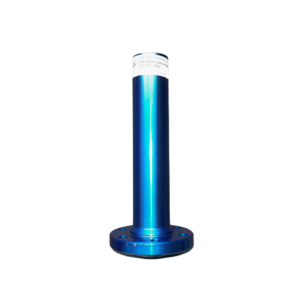
The saver sub (also called sub saver or wear sub) threads directly onto the drive chuck and acts as a sacrificial wear piece. Its purpose is simple but critical: protect the expensive drive chuck threads from the daily wear of connecting and disconnecting drill pipe. When the saver sub threads wear out, you replace the saver sub — not the entire drive chuck.
A saver sub also serves as a crossover adapter when you need to run tooling from a different thread system. The photo above shows an FST #200 Box (Vermeer side) × JT9 Pin (Ditch Witch side) — allowing a Vermeer D9/D10 rig to run Ditch Witch-compatible tooling.
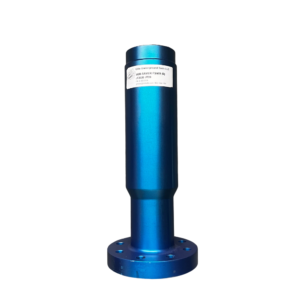
When to replace your saver sub: Inspect threads after every 50–100 hours of operation. If you see thread galling, elongation, or difficulty making up connections, replace immediately. A worn saver sub causes accelerated wear on the drive chuck and drill pipe box ends.
Shop Saver Subs at Elite Underground Tools
3. Starter Rods — Getting the Bore Started Right
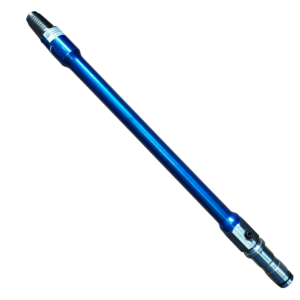
A starter rod is a shorter, heavier-walled drill rod used at the beginning of a bore to establish the entry angle before transitioning to standard drill pipe. Starter rods are typically 5 to 10 feet long (vs. 10–15 ft for standard pipe) and have thicker walls to handle the high bending stress at the entry point where the pipe exits the ground at an angle.
Using a starter rod is especially important in rocky or hard soil entry conditions where standard drill pipe would be at risk of kinking. The heavy wall construction of the starter rod absorbs the entry angle stress without fatigue cracking.
Key specs for FST #400 Starter Rod (Vermeer D16x20 / D20x22 / D23x30):
-
- Thread: FST #400 Pin × Box
-
- OD: 2.06″
-
- Length: 5 ft or 10 ft
-
- Wall: Heavy (thicker than standard drill pipe)
-
- Use: Entry angle establishment, hard soil entry
Shop Starter Rods at Elite Underground Tools
4. Drill Collars — Protecting Your Bore and Your Tooling
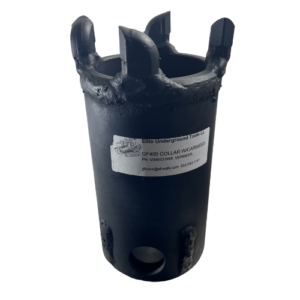
The drill collar is a short, thick-walled steel sub that connects the last section of drill pipe to the transmitter housing. Its primary function is to provide a rigid, non-bending transition between the flexible drill string and the housing/bit assembly. Without a collar, the housing would experience excessive side loading and premature thread wear.
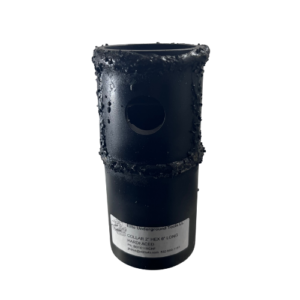
The Long Hardface Collar shown above features tungsten carbide hardfacing applied to the outer diameter. This is critical in abrasive soil conditions (sand, gravel, cobble) where a standard collar would wear through quickly. The hardfacing extends the service life of the collar by 3–5× compared to a bare steel collar in the same conditions.
Shop Drill Collars at Elite Underground Tools
5. Transmitter Housings (Sonde Housings) — Your Eyes Underground

The transmitter housing (also called sonde housing or beacon housing) is the cylindrical steel body that holds the electronic locating transmitter (sonde) during the bore. It connects between the drill collar and the pilot bit, and its angled face (steerface) is what allows the operator to steer the bore path by rotating the drill string to different clock positions.
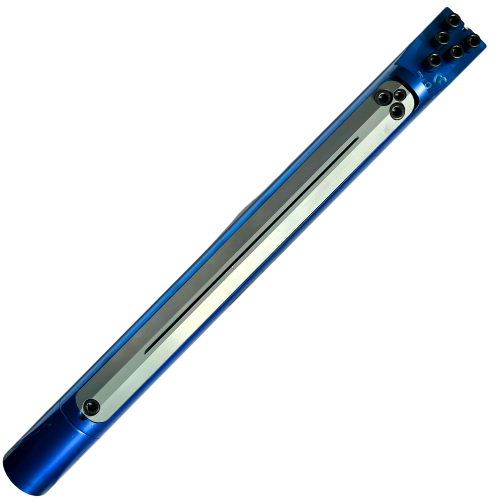
Key housing specifications by rig class:
| Housing OD | Rear Thread | Rig Compatibility | Sonde Size |
|---|---|---|---|
| 1.5″ | FST #200 / 1.31-6 | Vermeer D6x6, D7x11 / DW JT5 | 1.25″ sonde |
| 2.0″ | FST #200 / 1.63-6 | Vermeer D9x13, D10x15 / DW JT9 | 1.5″ sonde |
| 2.5″ | FST #400 / 1.94 | Vermeer D16x20, D20x22 / DW JT12/JT20 | 1.75″–2.0″ sonde |
| 3.0″ | FST #600 / 2.11 | Vermeer D24x40 / DW JT25/JT30 | 2.0″–2.5″ sonde |
| 3.25″ | FST #700 / 2.40 | Vermeer D36x50, D40x55 / DW JT40 | 2.5″ sonde |
Shop Transmitter Housings at Elite Underground Tools
6. Crossover Adapters — Running Any Tooling on Any Rig
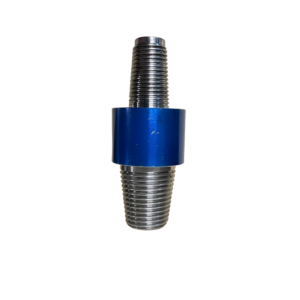
A crossover adapter (also called a transition sub or EZ adapter) allows you to connect tooling from one thread system to another. This is essential when you have a Vermeer rig but want to run Ditch Witch-compatible housings or bits, or vice versa. At Elite Underground Tools, we stock the complete line of EZ2 and EZ3 crossover adapters covering every major thread combination.
Most common crossover adapter configurations:
| Adapter | Box (Female) | Pin (Male) | Compatible Rigs |
|---|---|---|---|
| EZ2 1.94 × FST #600 | 1.94-6 SaverLok (DW) | FST #600 (Vermeer) | DW JT20 → Vermeer D24x40 tooling |
| EZ2 1.63-6 × 1.940-4 | 1.63-6 SaverLok (DW) | 1.940-4 (DW) | JT9/JT10 → JT20 tooling |
| EZ3 2.25-6 × 2.0 IF | 2.25-6 SaverLok (DW) | 2.0 IF | JT25/JT30 crossover |
| EZ2 2.0-6 × 2-3/8 API | 2.0-6 SaverLok (DW) | 2-3/8 API | JT20 → API tooling |
| FS200 Box × JT9 Pin | FST #200 (Vermeer) | JT9 SaverLok (DW) | Vermeer D9/D10 → DW tooling |
Shop Crossover Adapters at Elite Underground Tools — including the EZ2 1.94 × FST #600 for JT20/JT2020
7. Reamers — Opening the Bore to Final Size
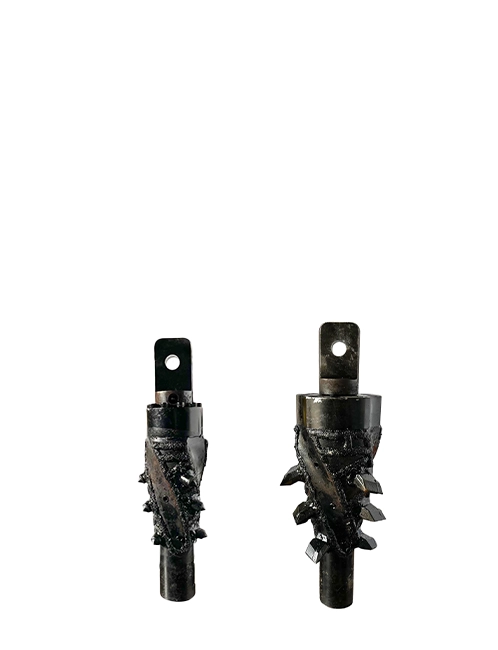
After the pilot bore is complete, a backreamer is attached to the drill string at the exit point and pulled back through the bore to enlarge it to the final diameter needed to pull the product pipe. The reamer must be sized correctly — typically 1.5× to 2× the OD of the product pipe — to allow proper annular space for drilling fluid return and product installation.
Reamer selection by soil condition:
| Soil Condition | Recommended Reamer Type | Key Feature |
|---|---|---|
| Soft clay, loam | Barrel / Fly Cutter | Large fluid ports, aggressive flighting |
| Sand, gravel | Hurricane / Fluted | Carbide blocks, fluid circulation |
| Mixed soil, cobble | Hurricane / Compaction | Heavy carbide, high torque design |
| Rock, hard formation | Tricone / Rock Reamer | Replaceable cone cutters |
Shop Reamers at Elite Underground Tools
8. Tricone Bits — For Rock and Hard Formation Drilling
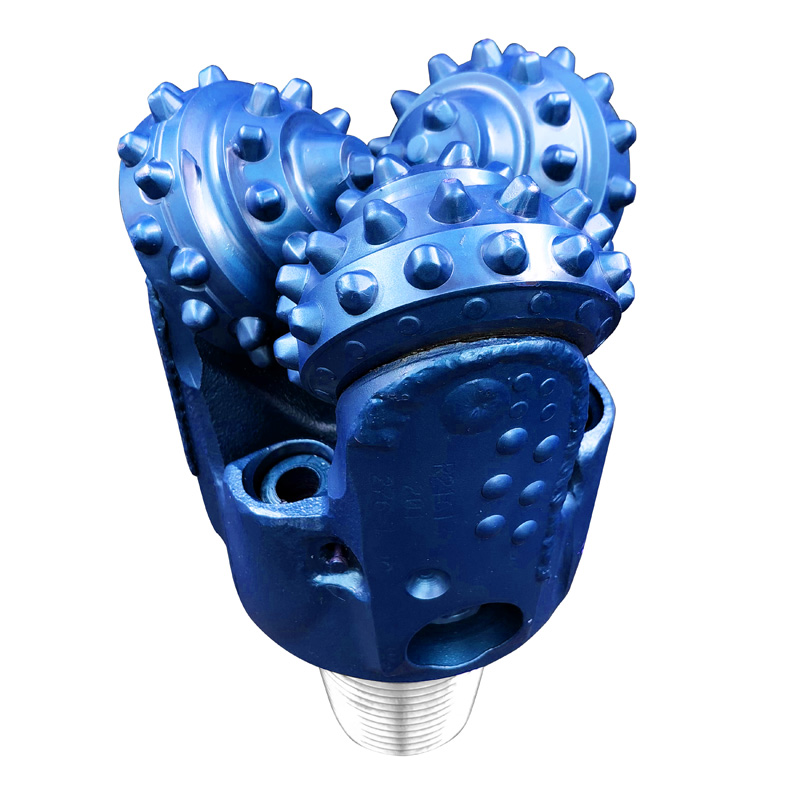
When standard blade bits and carbide pilot bits can’t penetrate the formation, it’s time for a tricone bit. A tricone uses three rotating cone cutters with tungsten carbide inserts (TCI) or milled steel teeth to crush and chip rock as the drill string rotates. They are used in caliche, limestone, shale, sandstone, and other hard rock formations common in the Southwest and Rocky Mountain regions.
Tricone bits for HDD are available in standard API thread connections and can be adapted to FST or SaverLok systems using the appropriate crossover sub. Always match the bit OD to the bore diameter required and the IADC code to the rock hardness.
Shop All Tooling at Elite Underground Tools
9. Swivels, Shackles & Chinese Fingers — The Pullback Assembly
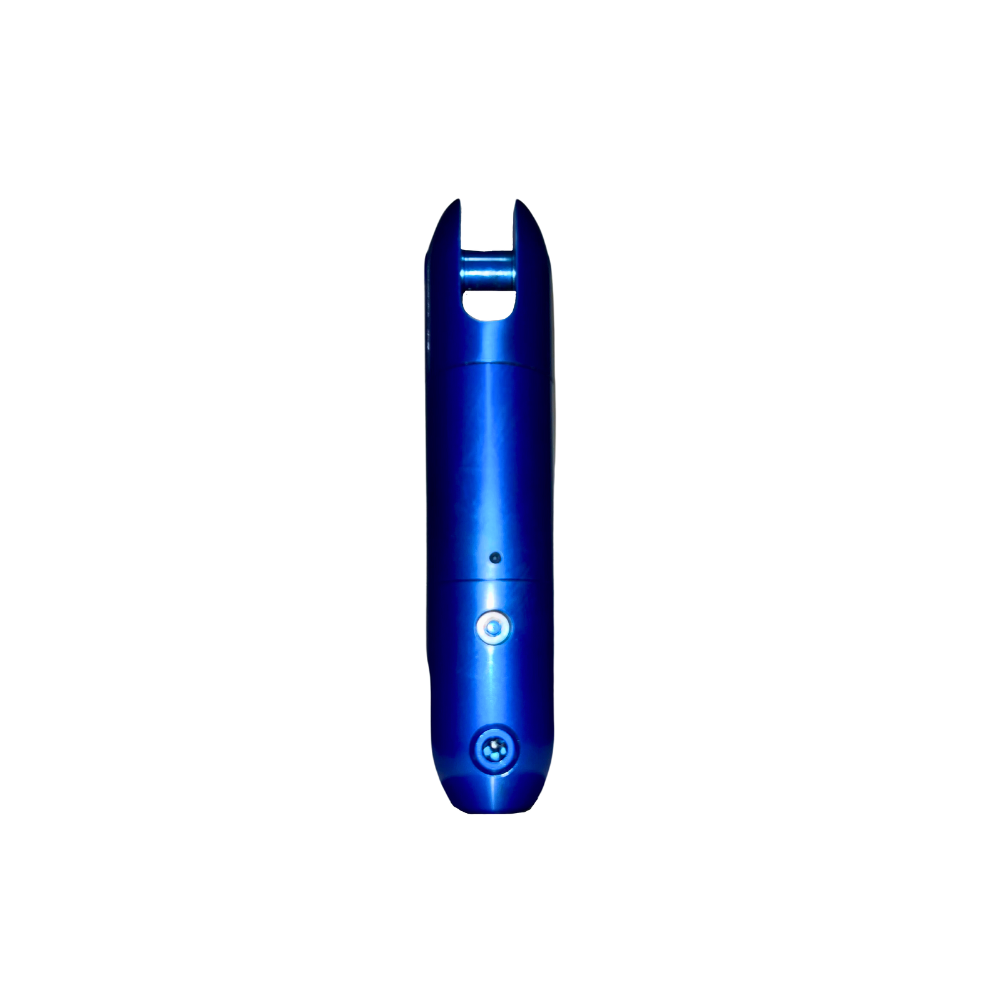
Once the bore is reamed to final size, the product pipe is pulled back through using a pullback assembly consisting of three key components: the swivel, the shackle, and the pulling head or Chinese finger.
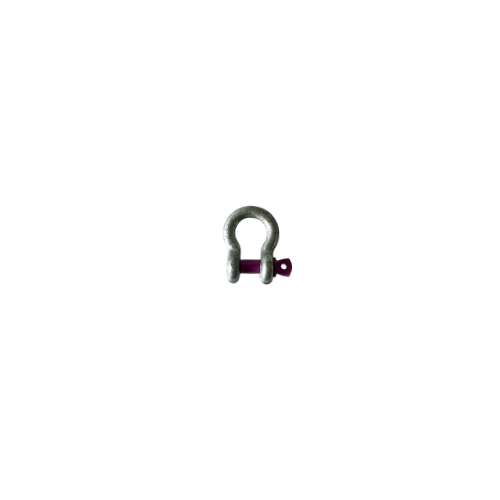
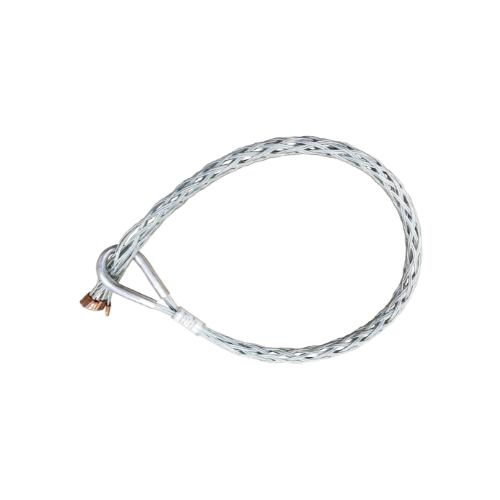
How the pullback assembly works:
-
- The reamer is attached to the drill string at the exit pit and pulled back to enlarge the bore
-
- The shackle connects the reamer to the swivel
-
- The swivel allows the reamer to rotate freely without twisting the product pipe
-
- The Chinese finger grips the product pipe (HDPE, conduit, or cable) and is connected to the swivel
-
- As the rig pulls back, the product pipe follows the reamer through the bore
Always match the swivel’s working load rating to at least 1.5× the maximum pullback force of your rig. Undersized swivels are a common cause of failed pullbacks and product damage.
Shop Swivels & Pullers at Elite Underground Tools
10. Drilling Fluid (Mud) — The Lifeblood of Every HDD Bore
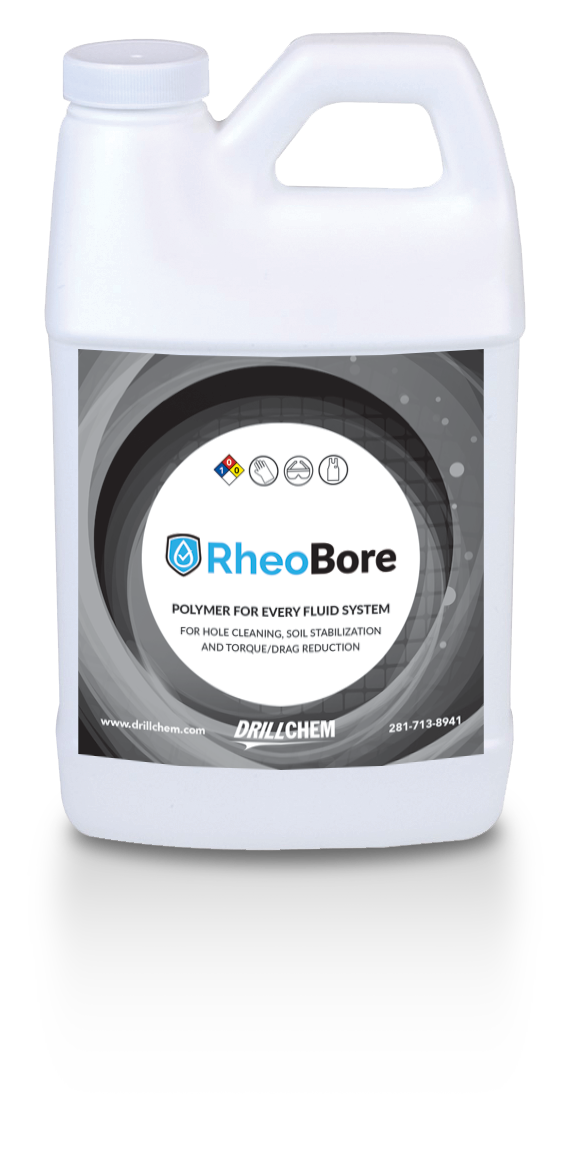
Drilling fluid — commonly called mud — is pumped through the drill string and exits through the nozzles in the pilot bit and housing. It serves three critical functions in every HDD bore:
-
- Cuttings transport: Carries soil cuttings back to the surface through the annular space around the drill pipe
-
- Bore wall stabilization: Creates a filter cake on the bore wall that prevents collapse in unstable soils
-
- Tooling lubrication and cooling: Reduces friction on the drill pipe and bits, extending tool life significantly
RheoBore is a premium polymer-enhanced drilling fluid additive that improves viscosity, lubricity, and filtration control. It is mixed with water at the mud mixer before pumping. Proper mud weight and viscosity are critical — too thin and you lose cuttings transport; too thick and you risk hydrofracture (inadvertent returns).
Shop Drilling Fluid & Additives at Elite Underground Tools
Quick Reference: Complete HDD Drill String Assembly
| # | Component | Function | Shop |
|---|---|---|---|
| 1 | Drive Chuck | Connects rig rotary head to drill string | Shop |
| 2 | Saver Sub | Protects drive chuck threads; crossover capability | Shop |
| 3 | Starter Rod | Heavy-wall rod for entry angle establishment | Shop |
| 4 | Drill Pipe | Transmits rotation and thrust through the bore | Shop |
| 5 | Drill Collar | Rigid transition between drill pipe and housing | Shop |
| 6 | Transmitter Housing | Houses sonde; provides steering capability | Shop |
| 7 | Pilot Bit / Drill Head | Cuts the pilot bore path | Shop |
| 8 | Backreamer | Enlarges bore to final diameter during pullback | Shop |
| 9 | Swivel | Prevents product pipe from rotating during pullback | Shop |
| 10 | Shackle | Connects reamer to swivel | Shop |
| 11 | Chinese Finger | Grips product pipe for pullback | Shop |
| 12 | Drilling Fluid | Cuttings transport, bore stabilization, lubrication | Shop |
Need Help Choosing the Right Tooling?
At Elite Underground Tools, we don’t just sell parts — we know HDD. If you’re unsure which thread, which size, or which configuration you need for your specific rig and job conditions, contact us directly. Our team can help you spec the complete drill string for your machine, whether you’re running a Vermeer, Ditch Witch, or any other HDD rig.